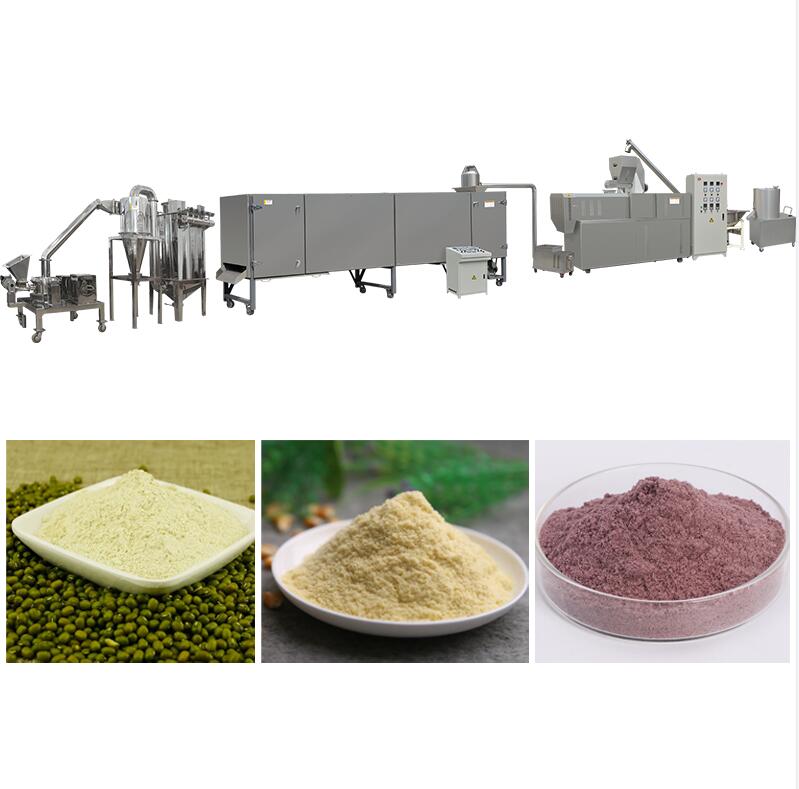
Multifunctional Twin-Screw Extruder for Producing a Wide Variety of Bread Crumbs
Twin-screw extrusion is a highly efficient, continuous, and controllable modern food processing technology for producing puffed breadcrumbs.
Unlike traditional processes involving steaming, fermentation, baking, and then grinding, it uses a twin-screw extruder to complete multiple steps of mixing, cooking, puffing, shaping, and drying in a short period .
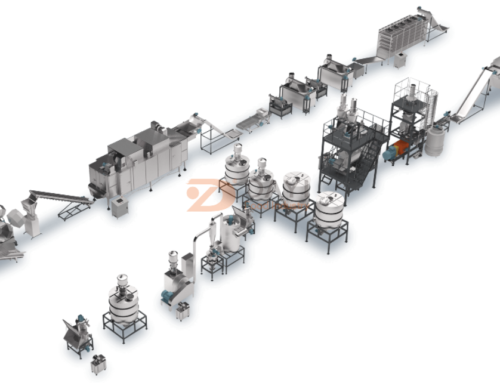
The following is a detailed production process for producing puffed breadcrumbs using a Dayi twin-screw extruder:
I. Bread Crumb Production Process Steps

1.Raw Material Preparation and Pre-treatment
All dry powder ingredients must be precisely measured and pre-mixed to ensure uniform composition.
| Main ingredients | High-starch cereal flours:
such as wheat flour, tapioca starch, corn flour, rice flour, or a blend thereof. |
| Binding agents
|
Such as vital wheat gluten (wheat protein);
These increase elasticity and toughness, making the breadcrumbs less prone to crumbling. |
| Seasoning agents | Salt, sugar, spices, monosodium glutamate, etc. |
| Coloring agents | Caramel color, paprika extract, etc.;
These impart a golden-yellow color. |
| Nutrient fortifiers | Can be added as needed. |
2.Feeding and Conveying
Select appropriate feeding and conveying equipment
based on layout, budget, degree of automation, and production volume.
3. Mixing, Melting, and Cooking (Core Process)
Please note:
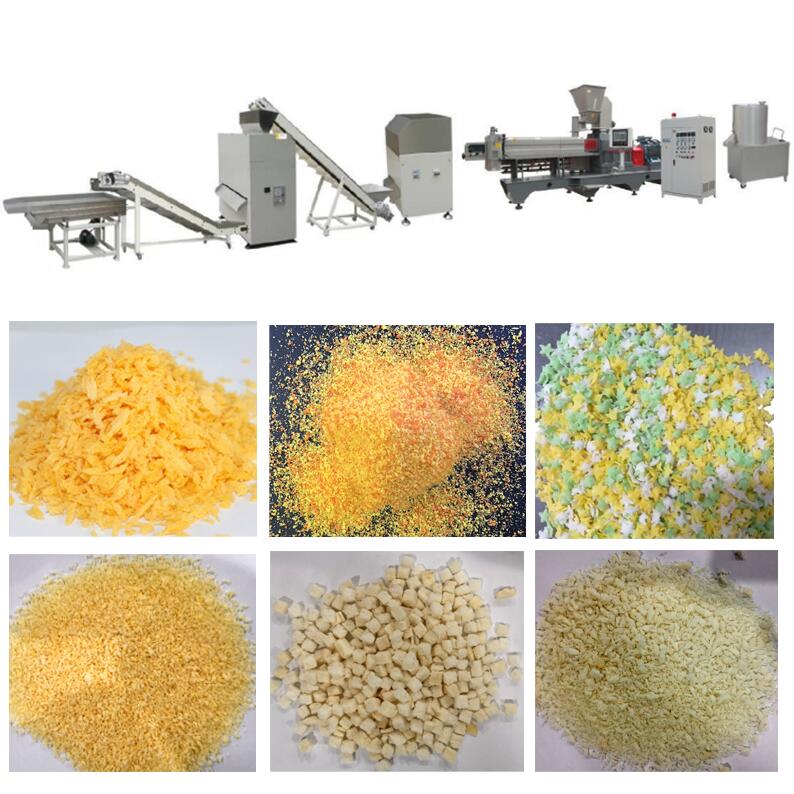
Breadcrumbs of various textures can be achieved by adjusting the extrusion moisture content, temperature, rotation speed, and by using different types of raw materials.
As shown in the image below:
These are different types of breadcrumbs produced using the extrusion process.

| The materials enter the mixing and compression sections. | |
| Water Addition | -Water is quantitatively injected through an inlet on the barrel.
-This is crucial for starch gelatinization; -Water content is typically controlled between 13% and 20%, depending on the specific formula. |
| External Heating | -Each section of the barrel is independently temperature-controlled by electric heating coils;
-The temperature gradually increases from the feed port to the die head (e.g., 80℃ → 120℃ → 150℃ → 130℃). |
| Internal Heat Generation | The Shearing and Friction of the screw generate a large amount of mechanical heat. |
| Pressurization and Extrusion Molding | Under the combined action of High-Temperature, High-Humidity, High-Shear, and High-Pressure, the starch granules absorb water, swell, and rupture, undergoing gelatinization; |
| The completely gelatinized melt is pushed towards the die head area, and the screw design and die resistance cause the pressure in this area to increase sharply (up to several megapascals).
|
|
| The High-temperature, High-pressure melt is forced out through multiple small holes in the die head. |
6. Post-processing
| Drying | – The extruded granules just cut from the extruder still have a high moisture content (~8-12%) and a relatively soft texture.
– They need to be fed into a multi-layer belt dryer; – Drying temperature: 80-110℃ – Moisture content: 4-8% |
| Crushing | – Different types of crushers are selected according to the shape of the granules. |
| Screening | – Multi-stage vibrating screens are used for grading;
– Uniformly sized breadcrumbs are obtained; – Common particle sizes include: coarse, medium, and fine. |
| Flavor Coating (Optional) | If enhanced flavor is required, Oil and powdered Seasonings can be sprayed onto the granules after drying using a seasoning drum. |
7. Packaging
-The qualified products enter the automatic packaging line for weighing
-Nitrogen filling can be adopted (to extend shelf life),
II. Key Process Control Points
| Raw Material Formulation | -Starch type and ratio determine the degree of expansion;
-Protain content affects toughness. |
| Moisture | Affects gelatinization degree, viscosity, and final expansion rate. |
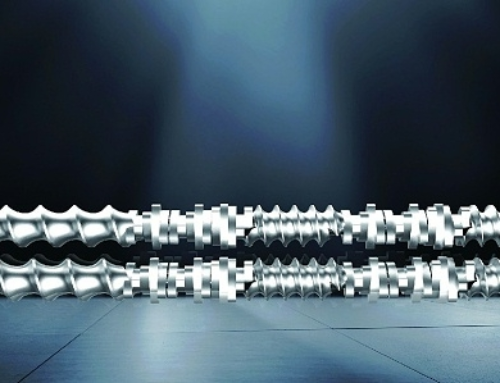
| Screw Configuration | Determine shear force, mixing effect, and material residence time. |
| Barrel Temperature Profile | Controls the gelatinization and melting process to prevent scorching. |
| Die Head Pressure and Temperature | Directly affect expansion dynamics and product density. |
| Drying Temperature and Time | Ensure product crispness and achieve safe water activity. |
III. Advantages of the Twin-Screw Extrusion Process
| High Efficiency | Continuous production with high output. |
| Highly Controllable | By adjusting parameters such as screw speed, temperature, feed rate, and moisture content, the product density, expansion degree, color, and texture can be precisely controlled. |
| High Product Consistency | Stable process with minimal batch-to-batch variations. |
| Multifunctionality | One piece of equipment can produce breadcrumbs of different shapes, colors, and flavors by changing molds and adjusting the formula. |
| Hygienic and Safe | Fully enclosed production reduces contamination. |
Bread Crumbs Produced by Extruder
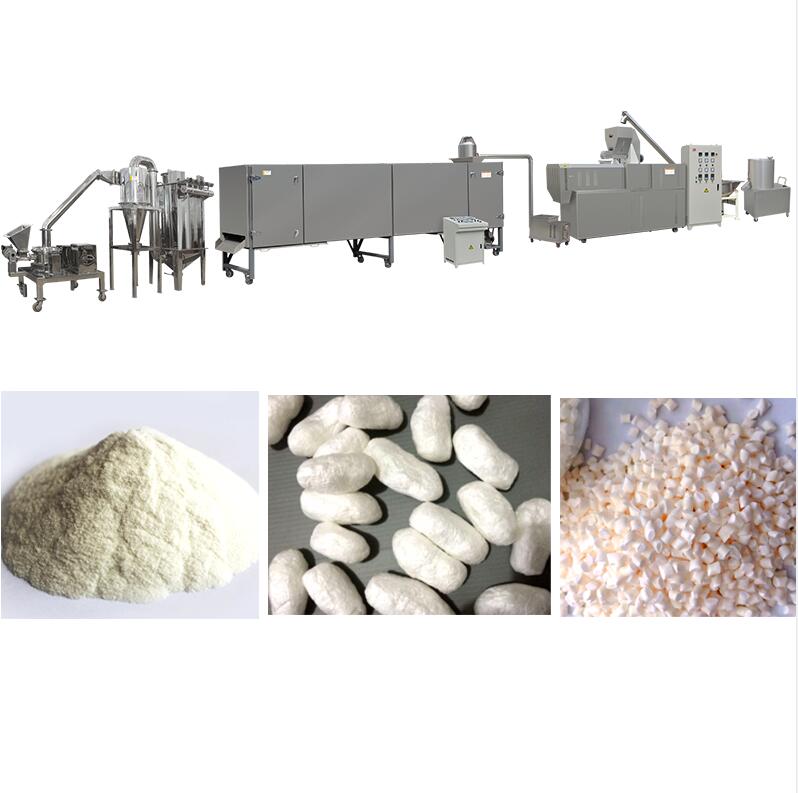
Fermentation Bread Crumbs Production
Summary
The twin-screw extrusion process has enabled the industrialization and intensification of traditional breadcrumb production. The resulting product features uniform color, low oil absorption, long-lasting crispness, and regular shape, making it ideal for the needs of modern large-scale food processing companies (especially those in the fried food coating industry).