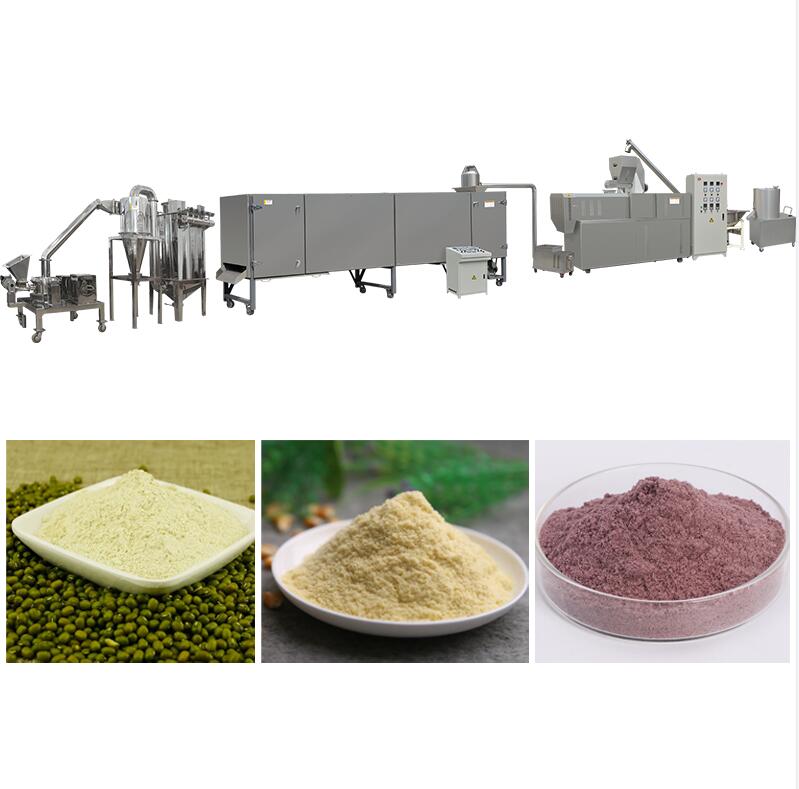
How to create high-quality, meat-like textured protein soya chunk ?
The Ultimate Guide to Crafting High-Quality Textured Soy Protein
The quest for delicious, sustainable, and nutritious plant-based meat has led to a revolution in food science, and at the heart of this revolution lies the soybean. Creating high-quality textured soy protein that truly mimics the bite and mouthfeel of meat is a fascinating interplay of ingredients, processing parameters, and scientific understanding . This guide will walk you through the core principles and advanced techniques for crafting superior soy-based meat analogues, whether you’re a curious home cook or an aspiring food innovator.

Part 1: Understanding Your Foundation – Ingredients Matter
The quality of your final product starts long before any machinery is switched on. The selection and preparation of your raw materials are paramount.
The Primary Protein: Forms of Soy
Soy protein comes in several forms, each with distinct functional properties that directly affect the final texture.
Soy Protein Isolate (SPI): This is the most refined form, containing at least 90% protein . It’s created by removing most of the fats and carbohydrates from defatted soy flour . SPI is prized for its high protein concentration, neutral flavor, and ability to form strong, elastic gels when hydrated and heated . For products requiring a firm, cohesive texture, SPI is an excellent base .
Defatted Soy Flour (DFS): Containing around 50-55% protein, DFS is a less processed and more economical option . It retains more of the soybean’s natural fibers and complex carbohydrates. This can be beneficial for creating a more fibrous, less “rubbery” texture in some applications .
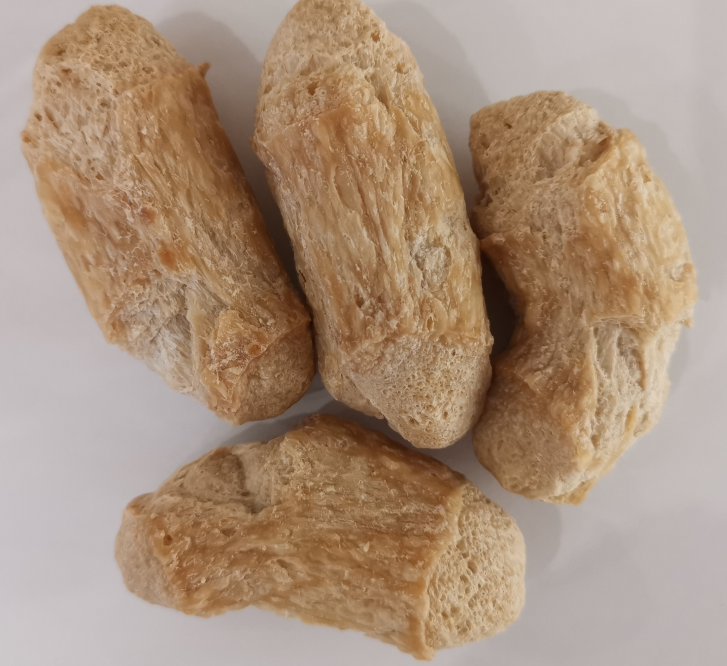
Textured Vegetable Protein (TVP): This is the end product, but it can also be a starting point. Commercially available dry TVP made from soy can be rehydrated and used as a base for burgers, meatballs, or sauces. However, creating your own TVP from scratch allows for total control over texture and flavor.
The Power of Blends
While soy is a star player, it doesn’t have to act alone. Blending with other ingredients can unlock superior textures and nutritional profiles.
Blending with Other Proteins: Research has shown that incorporating proteins from sources like sunflower, flaxseed, or pumpkin seed can create a texture that is “more chewy and less spongy” compared to using high-protein isolates alone, making the texture more meat-like .
The Gluten Connection:** Adding vital wheat gluten (often simply called gluten flour) is a common technique. Gluten provides a chewy, elastic network that mimics the connective tissue in meat. A patent from Northeast Agricultural University describes a method for preparing vegetarian meat by mixing SPI with gluten flour, salt, and water, resulting in a product that can replace entire muscle parts of meat .
Functional Additives: Whole Yeast Powder (WYP):** A 2025 study revealed that supplementing SPI with 20% whole yeast powder during high-moisture extrusion significantly improved the fibrous structure and hardness of the meat analogue . The yeast’s complex matrix and fiber content enhanced water-binding and protein network formation, leading to a more aligned, meat-like structure .
Part 2: The Core Technology – Extrusion and Beyond
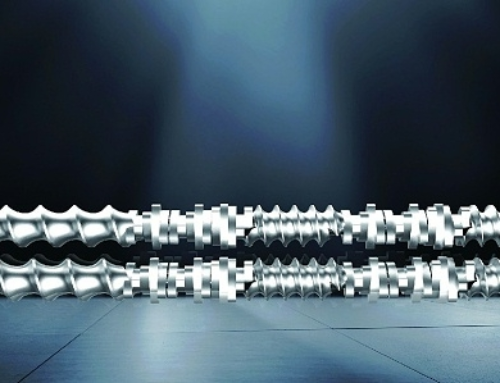
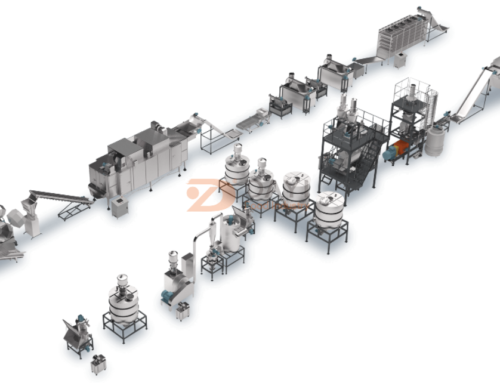
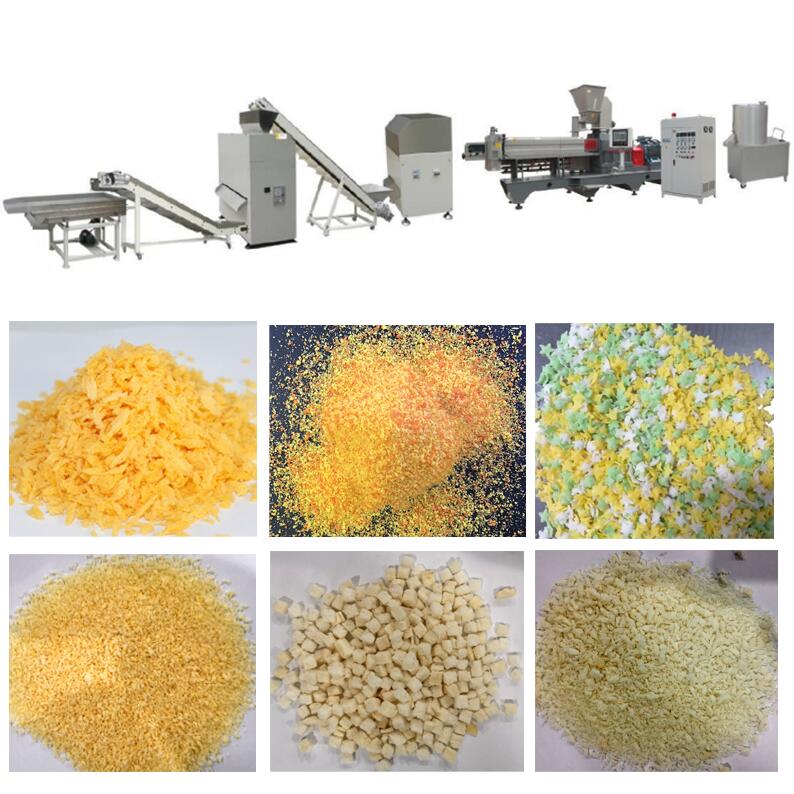
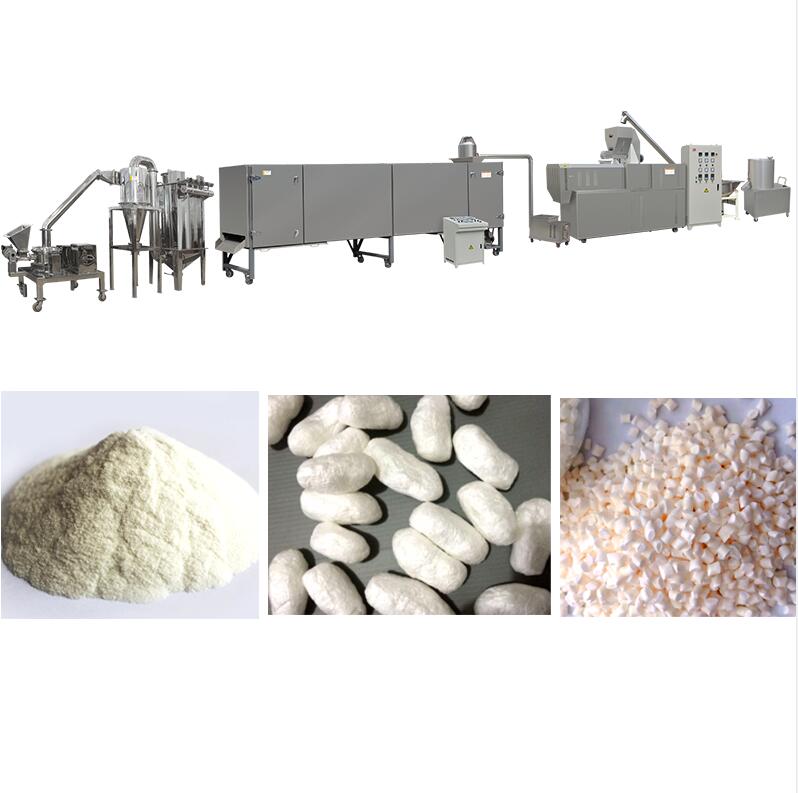
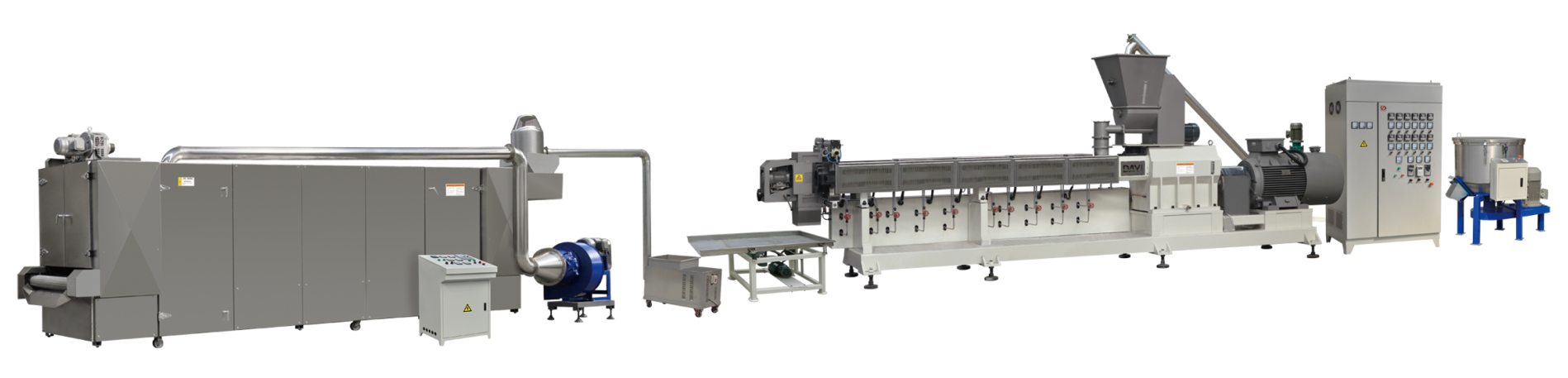
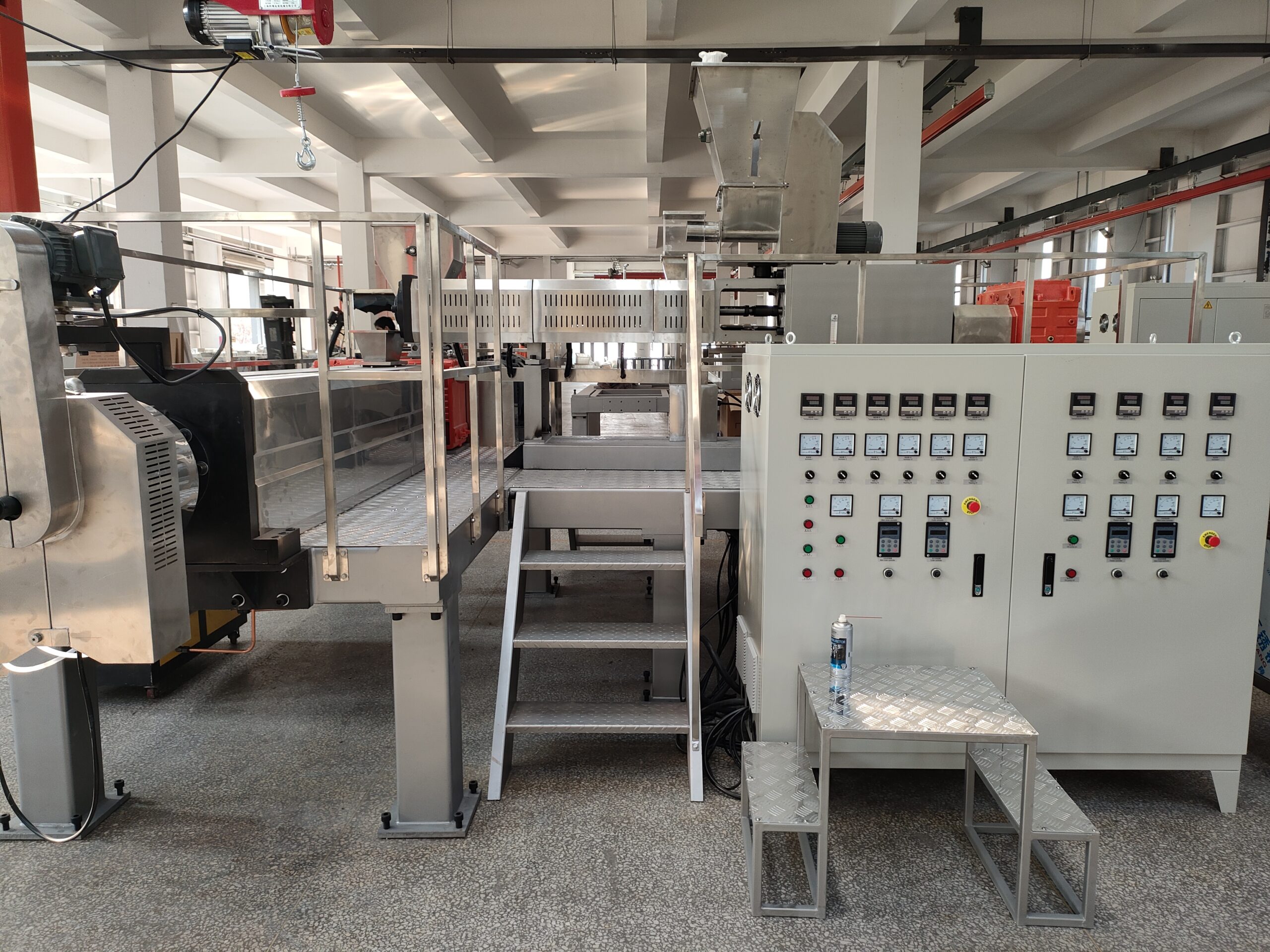
Most commercial soy-based meats are created through extrusion, a continuous process that uses heat, pressure, and shear to transform raw protein powder into a structured, meat-like matrix . There are two main types:
– Low-Moisture Extrusion: Uses a feed with low water content (around 11%) to create Texturized Vegetable Protein (TVP) . This is the familiar dry, porous chunks or mince that need to be rehydrated before use.
– High-Moisture Extrusion: Uses a feed with much higher water content (up to 70%) to create products that have a striking fibrous, layered texture reminiscent of whole-muscle meat like chicken breast or pork .
Key Parameters for Extrusion Success
The extrusion process is a delicate dance of variables. Understanding and controlling these is the secret to high-quality results.
1. Barrel Temperature: High temperatures are needed to denature (unfold) the protein molecules. This unfolding allows them to re-align and bond with each other, forming the new structure. Temperatures can range from 150°C in low-moisture extrusion to even higher in some processes .
2. Screw Speed: The speed of the rotating screws inside the barrel determines the shear forces and mixing intensity. Higher speeds generally increase shear, which helps align the proteins into fibrous strands.
3. Feed Moisture: This is perhaps the most critical factor.
Lower moisture leads to expansion and a more spongy, porous product (TVP) .
Higher moisture leads to a denser, more layered, and fibrous product that closely resembles cooked meat .
4. Ingredient Composition: As noted earlier, the fat and oil content of your ingredients acts as a lubricant, reducing shear inside the extruder . This can affect the final structure, so the formulation must be balanced with the process parameters.
Part 3: Advanced Techniques for Next-Level Texture
Beyond standard extrusion, cutting-edge research is unveiling new methods to create even more realistic meat analogues.
The Two-Phase Approach: Mimicking Muscle and Fat
Real meat isn’t a single substance; it’s a complex structure of muscle fibers and fat deposits. A 2022 study pioneered a method to create a two-phase soy protein-based meat . The process is ingenious:
1. Creating the “Muscle” Phase: Tofu (bean curd) is freeze-dried to create porous protein fragments that mimic muscle fiber .
2. Creating the “Fat” Phase:These fragments are then soaked in a soybean suspension containing a coagulant, which acts as the future “fat” matrix .
3. Binding the Phases: The mixture is heated to 80°C for a second coagulation, then pressed to remove moisture . The final product’s mechanical properties depend on both the protein fragment and the soybean hydrogel, creating a product with a texture more complex than single-phase meats .
The Emulsification Method: Superior Moisture Retention
A 2025 study compared different ways of incorporating soy protein isolate into meat analogues . It found that the method of incorporation is critical.
Dry Blending (DB):** Simply mixing dry SPI powder with other ingredients led to higher cooking losses.
Emulsification (EM):** Creating an emulsion by first mixing SPI with water and oil resulted in a product with significantly better performance. The EMN (Emulsification with Normal Temperature) method achieved the best results, with lower cooking loss (3.93% vs. 5.86% for dry blending) and a remarkable 87% increase in springiness . The stable SPI-water-oil interactions formed a dense, porous network that physically trapped water and oil, leading to a juicier, more meat-like bite .
Part 4: A Practical Framework for Creation
While industrial extruders are not common in home kitchens, the principles can be adapted or used to understand the process for making your own high-quality soy meat from ingredients like TVP or by following a simplified method.

Method: Simple Soy-Meat Mix for Burgers or Mince (Adapted from )
This method focuses on creating a versatile soy-based mixture, similar to ground meat.
Ingredients:
Base Protein: 20-23% Soy Protein Isolate (or rehydrated TVP) .
Binding Agent: 9-10% Gluten Flour (for structure and chew) .
Liquid: 68-69% Water or vegetable broth .
Fat: 1-2% neutral oil (like refined coconut or canola), emulsified for best results .
Flavoring: 1-2% salt, plus spices, onion/garlic powder, soy sauce, etc. .
Step-by-Step Instructions:
1. Pre-hydrate the Protein: If starting with SPI powder, it’s crucial to hydrate it properly. In a large bowl, mix the SPI with the water and let it sit for about 10 minutes to fully absorb the liquid .
2. Create an Emulsion (The Secret to Juiciness): In a separate small bowl, whisk the oil with a few tablespoons of the water from your measured amount until it becomes a temporary, cloudy emulsion. This step mimics the advanced EM method, helping to lock in moisture later .
3. Combine All Ingredients: Add the hydrated SPI, the oil emulsion, gluten flour, salt, and all your chosen seasonings to a mixer with a paddle attachment.
4. Mix Thoroughly: Mix on low speed for about 10 minutes until a uniform, elastic dough forms. The mixture should be cohesive and slightly tacky .
5. Shape and Cook:You can now shape this mixture into patties, form it into meatballs, or use it as a mince in sauces.
6. Cooking Method: For best results:
Pan-fry or bakepatties/meatballs until golden brown and cooked through.
Crumble and sauté** the mixture in a pan for a taco or bolognese filling.
Conclusion
Creating high-quality textured soy protein is a journey from understanding raw ingredients to mastering complex processes. Whether you are leveraging the high-protein power of soy isolates, the textural benefits of blending with yeast or gluten, or the moisture-locking magic of emulsification, each step is an opportunity to build a better, more delicious, and more sustainable bite. The future of food is being built on these principles, one perfectly formed protein network at a time .
If you want to know more about soya chunk production line , you can contact me , my whatsapp number is 8615953166130