
Zanaatı Ustaca Uygulamak: Yüksek Kaliteli Zenginleştirilmiş Pirinç Üretimi İçin Temel Yöntemler
Pirinç takviyesi, temel gıda olarak pirince bağımlı olan nüfuslarda mikro besin eksiklikleriyle mücadele etmek üzere tasarlanmış, etkinliği kanıtlanmış ve maliyet-etkin bir halk sağlığı müdahalesidir. Ancak, bir takviye programının başarısı sadece fikre değil, aynı zamanda uygulamasına da bağlıdır. Besin açısından etkili, görsel olarak çekici ve lezzet açısından kabul edilebilir zenginleştirilmiş pirinç üretmek, titiz bir yaklaşım gerektirir. İşte bunu doğru bir şekilde yapmanın temel yöntemleri.
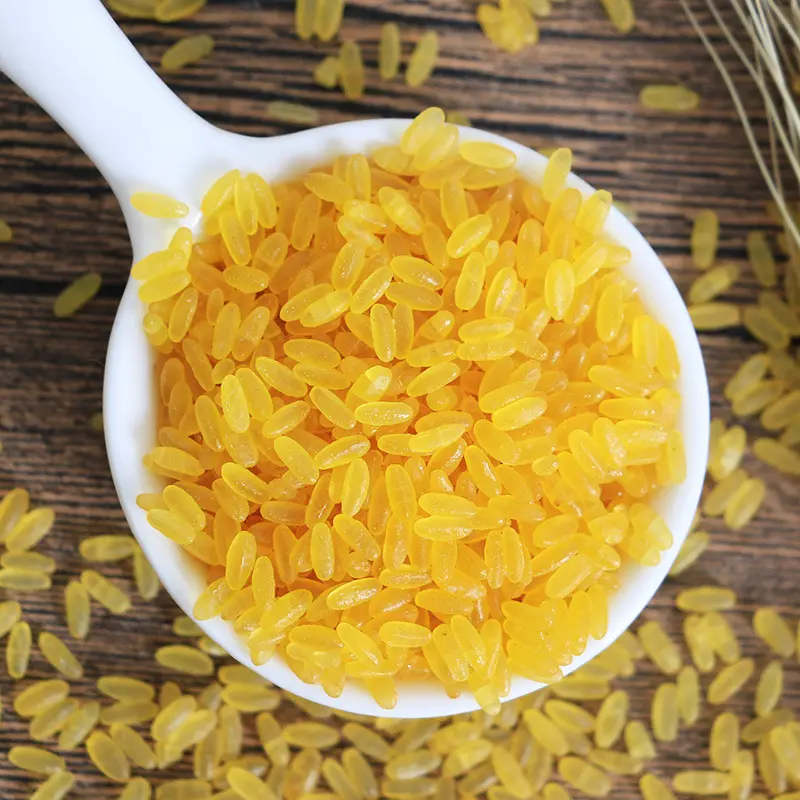
1. Doğru Takviye Teknolojisinin Seçilmesi
Kaliteli zenginleştirilmiş pirincin temelini, seçilen üretim teknolojisi oluşturur. Günümüzde, her birinin kendine özgü avantajları ve dikkate alınması gereken hususları olan üç temel yöntem bulunmaktadır.
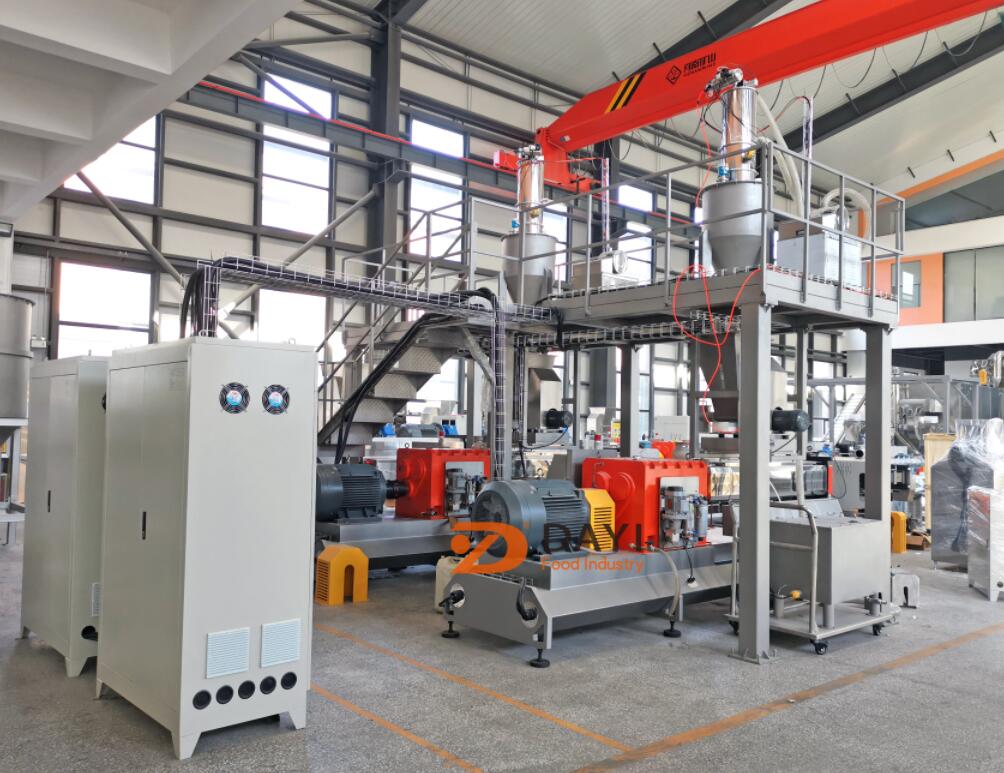
Ekstrüzyon (Sıcak Ekstrüzyon): Bu, en yaygın olarak kullanılan ve önerilen yöntemdir. Bu yöntemde, pirinç unu ile vitamin ve minerallerden (genellikle demir, folik asit ve B12 vitamini) oluşan bir ön karışımın birleştirilmesiyle “yapay” pirinç taneleri —genellikle sahte veya ekstrüde taneler olarak adlandırılır— üretilir. Hamur daha sonra bir kalıptan ekstrüde edilerek tanecik şeklindeki taneler oluşturulur; bu taneler buharda pişirilip kurutulur. Bu yöntem, yüksek besin içeriği ve mükemmel stabilite sağlar.
Kaplama (Soğuk Ekstrüzyon/Püskürtmeli Kaplama): Bu işlemde, sıradan öğütülmüş pirinç tanelerinin yüzeyine besin maddeleri içeren bir bulamaç püskürtülür; ardından besin maddelerini hapsetmek için gıda sınıfı bir balmumu veya polimer kaplama uygulanır. Bu yöntem daha ucuzdur ve doğal pirince daha çok benzeyen bir “tanecik” üretir; ancak ekstrüzyona kıyasla yıkama ve pişirme sırasında besin kaybına daha yatkındır.
Tozlama/Tozla Zenginleştirme: Bu yöntem, pirincin üzerine vitamin-mineral tozu serpilmesinden ibarettir. En ucuz seçenek olmakla birlikte, yıkama nedeniyle en yüksek besin kaybına yol açar ve genellikle büyük ölçekli programlarda kullanılması önerilmez. En iyi sonuçlar için, stabilite, maliyet ve besin aktarımını dengeleyen ekstrüzyon yöntemi altın standarttır.
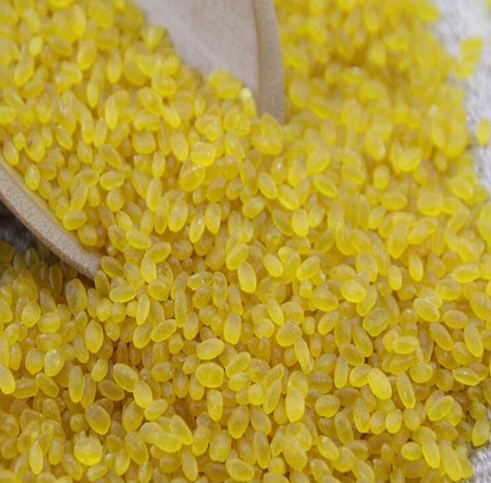
2. Mükemmel Çekirdek Bütünlüğünün Sağlanması
Kolayca kırılan, güçlendirilmiş bir çekirdek, başarısız bir üründür. Çekirdeğin fiziksel bütünlüğü tartışmaya açık değildir; zira öğütme, nakliye, depolama ve pişirme süreçlerinin zorlu koşullarına dayanabilmesi gerekir.
Parçacık Boyutu ve Doku: Ekstrüzyon işleminde kullanılan pirinç unu, nihai tanede çatlak veya zayıf noktaların oluşmasını önlemek için homojen bir kıvama gelene kadar ince bir şekilde öğütülmelidir.
Nişasta Modifikasyonu: Ekstrüzyon işlemi sırasında nişasta jelatinleşmeye uğrar. Burada kilit nokta, sıcaklığı (genellikle 100-120 °C arasında) ve nem seviyelerini hassas bir şekilde kontrol etmektir. Nem oranı çok yüksek olursa taneler yapışkan ve şişmiş hale gelir; çok düşük olursa ise kırılgan olur. Amaç, işlenmemiş pirincin sertliğini taklit eden, tamamen jelatinleşmiş, yoğun ve camsı bir tanenin elde edilmesidir.
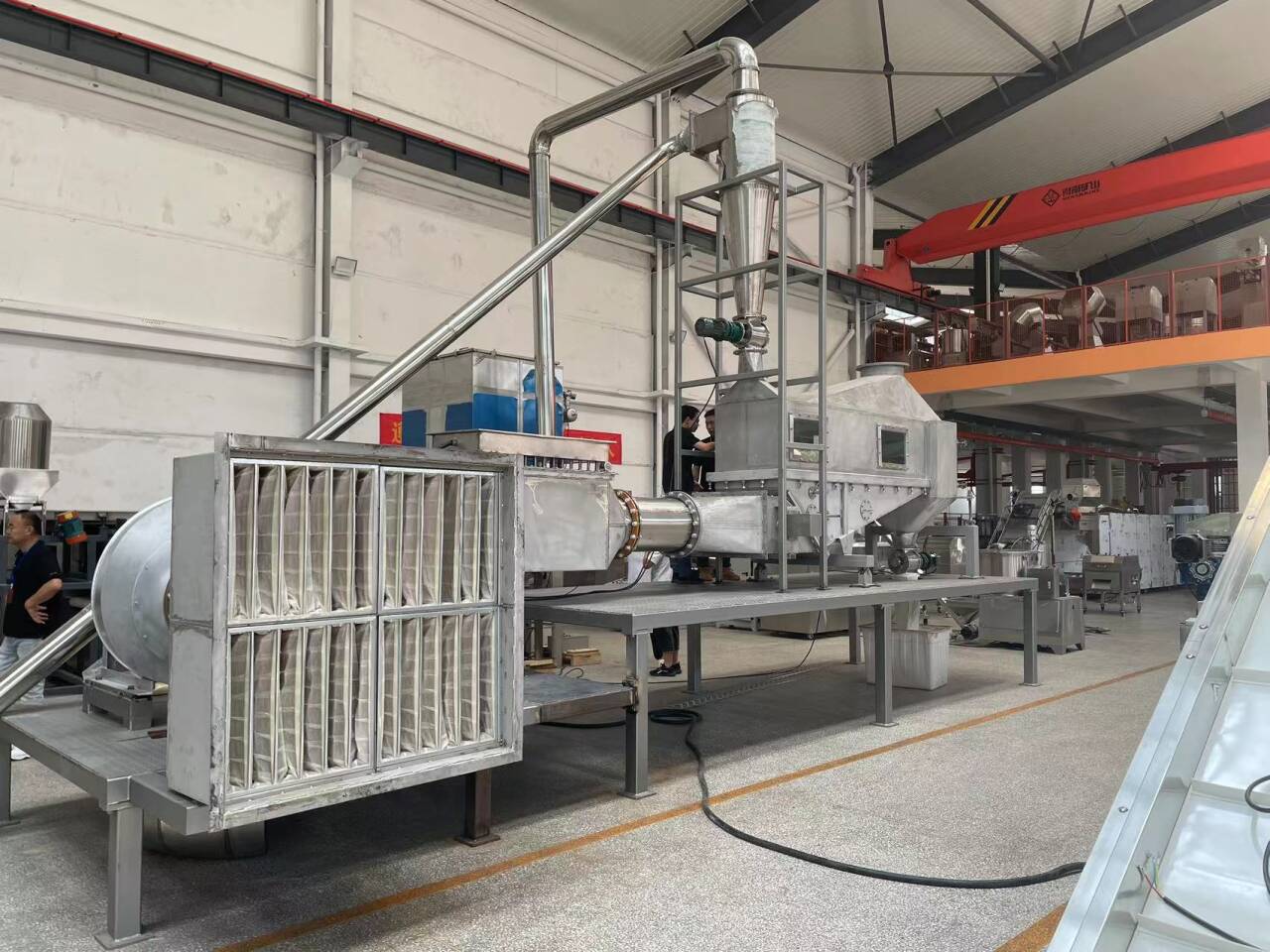
Kurutma Süreci: Nihai nem oranı dengeli olmalıdır (yaklaşık 10-12%). Hızlı ve dengesiz kurutma, gerilme kırıklarına neden olur. Karıştırma veya pişirme sırasında tanelerin parçalanmasını önlemek için kontrollü ve kademeli bir kurutma süreci hayati önem taşır.
3. Besin Maddelerinin Eşit Dağılımının Sağlanması
Besin takviyesinin temel amacı, her porsiyonda tutarlı bir besin değeri sağlamaktır. Bunun için kalite kontrol protokollerine sıkı bir şekilde uyulması gerekmektedir.
Ön karışımın homojenliği: Vitamin-mineral ön karışımı, pirinç unuyla homojen bir dağılım elde edilene kadar karıştırılmalıdır. Düzensiz karıştırma, “sıcak noktalar” (aşırı zenginleştirilmiş taneler) ve “soğuk noktalar” (yetersiz zenginleştirilmiş taneler) oluşmasına neden olur.
Uygun Karıştırma Oranı: Çoğu programda 1:100 veya 1:200 karıştırma oranı kullanılır (bir kilogram zenginleştirilmiş pirinç tanesi, 100–200 kilogram doğal pirinçle karıştırılır). Her bir avuç pirincin istatistiksel olarak tutarlı sayıda zenginleştirilmiş taneler içermesini sağlamak için bu işlem, elle karıştırma yerine mekanik karıştırıcılar kullanılarak yapılmalıdır.
Analitik Testler: Nihai harmanlanmış ürünün ulusal veya uluslararası standartlara uygunluğunu doğrulamak için demir ve vitamin içeriğine yönelik rutin laboratuvar testleri büyük önem taşımaktadır.
4. Doğal Pirincin Duyusal Özelliklerini Taklit Etme
Tüketici kabulü, başarının en önemli ölçütüdür. Eğer takviyeli pirinç, yemeğin tadını, kokusunu veya görünümünü değiştirirse, sağlık açısından sağladığı faydalar ne olursa olsun reddedilecektir.
Renk ve Şekil: Zenginleştirilmiş pirinç taneleri, bölgede yaygın olarak yetiştirilen pirinç çeşidinin uzunluğu ve çapına uygun bir kalıp kullanılarak üretilmelidir (örneğin, uzun taneli veya orta taneli). Renk, mümkün olduğunca beyaza yakın olmalıdır. Aşırı renk bozulmaları (sararma veya kahverengileşme), genellikle ekstrüzyon sırasında aşırı pişirme veya besin maddelerinin oksidasyonunun bir işaretidir.
Aroma Nötrlüğü: Güçlendirici premiks, demirden kaynaklanan metalik notalar gibi istenmeyen kokuların oluşmasını önleyecek şekilde formüle edilmelidir. Kapsüllenmiş demir kaynaklarının (NaFeEDTA veya ferrik pirofosfat gibi) kullanılması, metalik tatların maskelanmasına yardımcı olur ve işlenmiş pirinçte lipit oksidasyonunu önler.
Pişirme Özelliği: Güçlendirilmiş taneler, doğal pirinçle aynı hızda pişmelidir. Doğal pirinç yumuşadığında bu taneler sert kalırsa veya yeterince pişmezse, doku farkı belirgin bir şekilde hissedilir. Ekstrüzyon basıncını ve kurutma süresini ayarlayarak, pişirme süresini yerel işlenmiş pirincinkiyle uyumlu hale getirmek mümkündür.
5. Sağlam Ambalajlama ve Raf Ömrü Yönetimi
Zenginleştirilmiş pirinç organik bir üründür ve ilave edilen mikro besin maddeleri bozulmaya karşı hassas olabilir.
Oksijen ve Nem Engelleri: Vitaminler, özellikle A vitamini ve bazı B vitaminleri, oksijen ve ışık varlığında bozulur. Depolama sırasında ürünü korumak için ambalajlarda yüksek bariyerli malzemeler (örneğin, çok katmanlı lamine poşetler) kullanılmalıdır.
Saklama Koşulları: Zenginleştirilmiş pirinci, doğrudan güneş ışığından uzak, serin ve kuru bir yerde saklayınız. Yüksek sıcaklık ve nem, besin maddelerinin bozulmasını hızlandırır ve küf veya böceklerin üremesine yol açabilir.
Raf Ömrü Doğrulaması: Kararlılık çalışmaları yoluyla ürünün raf ömrünü belirleyin. Genel olarak, ekstrüzyon yöntemiyle üretilen takviyeli pirinç, doğru şekilde depolandığında 2–3 yıllık bir raf ömrüne sahiptir. Düzenli izleme, ürünün tüketiciye ulaşana kadar güvenli ve etkili sınırlar içinde kalmasını sağlar.
Yüksek kaliteli, besin takviyeli pirinç üretimi, bir sanat olduğu kadar bir bilimdir de. Bu süreç, gelişmiş ekstrüzyon teknolojisi, titiz kalite güvencesi ve yerel tüketici alışkanlıklarına dair derin bir anlayışın dikkatli bir şekilde dengelenmesini gerektirir. Doğru makinelerin seçilmesinden pişirme dokusunun mükemmelleştirilmesine ve istikrarlı ambalajlamanın sağlanmasına kadar bu yöntemleri ustaca uygulayan üreticiler, sadece yetersiz beslenmeyle mücadele ederek hayat kurtarmakla kalmayıp, aynı zamanda ailelerin yemek masasında kalıcı bir yer edinen bir ürün sunabilirler.
Bu konuda daha fazla bilgi edinmek isterseniz benimle iletişime geçebilirsiniz; WhatsApp numaram 8615953166130’dur.